Hot Water UF System: Features, Benefits & Applications

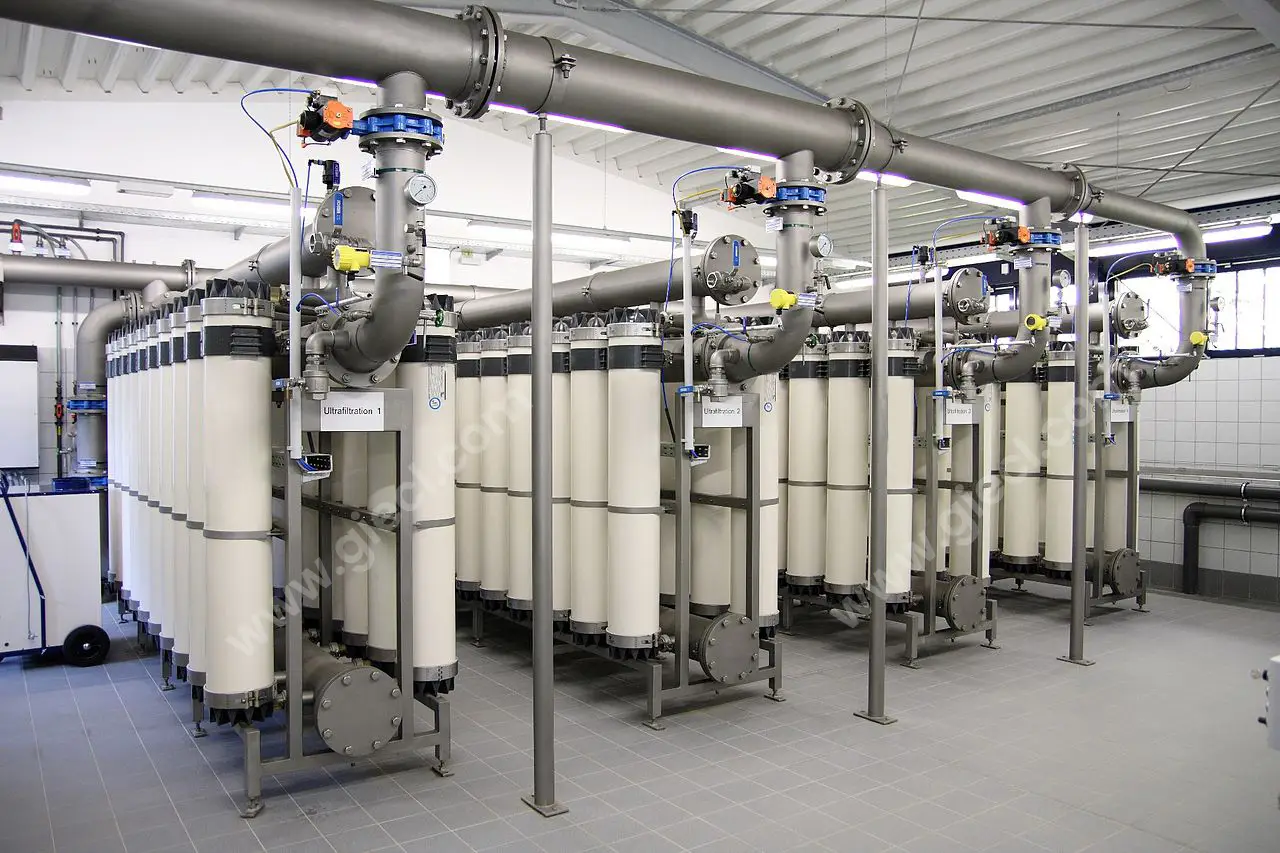
A Hot water UF system is a highly specialized UF system that uses special thermally stable membrane modules to run at high temperatures (usually 60°C to 85°C).

Normal ultrafiltration systems will only break down or lose structure if subjected to high temperatures, but these systems are designed to handle continuous exposure to hot water temperatures or periodic hot water sanitizing cycles. The pores in the membrane are in the range of 0.01 to 0.1 micron, which create a definite physical barrier to remove macromolecules, colloidal silica, proteins, pyrogens, and endotoxins without using aggressive chemical dosing.

Thermal Stress Performance Features

A Hot water UF system uses very special materials and controls to perform at peak efficiency during thermal stresses:

  • Heat-Resistant Membranes: Manufactured with state-of-the-art PVDF (Polyvinylidene Fluoride) or polysulfone hollow-fiber membranes which retain accurate pore structure during thermal expansion.
  • Sanitary Hardware Skids: Incorporates fully welded and electro-polished SS 316L stainless steel piping with high quality Viton or EPDM gaskets for leak-free operation at high temperatures.
  • Automated Thermal Controls: PLC controlled panels with digital temperature transmitters, allowing for a smooth ramp up and down of temperatures to avoid thermal shock to the system components.
What benefits does thermal-tolerant ultrafiltration provide?

High-temperature membrane filtration offers functional advantages over cold-water configurations:

  • Continuous Bio-Burden Destruction: The temperature maintained in the loop is always above the bacteria's growth threshold and so there is no worry about the accumulation of bacteria forming a biofilm.
  • Chemical-Free Maintenance: Sanitization can be naturally achieved by heating rather than by using chemical agents such as chlorine or hydrogen peroxide, which can cause chemical cross-contamination to downstream systems.
  • Higher Flux Rates: Higher flux rates are possible for hot water. This fluid property allows water to pass through the UF membrane easily, thereby ensuring greater flux rate and energy efficiency.

Primary applications of hot water UF technology

High-temperature filtration is in great demand across strict regulatory industries:

  • Pharmaceuticals & WFI Loops: Works as an important polishing barrier to reliably remove pyrogens and endotoxins in Water for Injection (WFI) loops and Purified Water (PW) distribution networks.
  • Biotechnology & Food/Beverage: For protein separation, enzyme concentration, and sterile ingredient water filtration when using chemical additives is not allowed.
  • Semiconductor Fabrication: Acts as a particulate screen in hot ultra-pure water loops for rinsing sensitive silicon wafers.

Frequently Asked Questions

A: These systems are designed to run continuously or go into automated thermal sanitization cycles with temperatures between 60°C and 85°C.

A: No. The special cross-linked PVDF or Polysulfone hollow fibers are thermally stabilized to prevent structural degradation or widening of the pores in the system.

A: An ultra-fine nominal pore size filters out endotoxins, pyrogens, and cell fragments from the water by molecular weight, thereby maintaining the water's compliance with global pharmacopeia standards.

A: The advantages of thermal sanitisation are the absence of chemical residues, no need for neutralising rinsing steps, significant reduction of downtime during operation, and an extended equipment life cycle.

A: Yes. Materials such as the food-grade polymers and SS 316L skids are completely compliant with FDA/USP/WHO-GMP validation standards.

All Copyrights © 2026. High Purity Water System Owned & Powered by : #1 Vinayak InfoSoft - SEO Company Ahmedabad

Request A Quote